
Elevating Defense, Security & Justice with Innovative Technologies

In a time when technology is reshaping the world, the sectors of justice, security, and defense are no different. Different strategies are required due to the growing complexity of threats and the requirement for increased operational efficiency. Harmony is leading this change by offering cutting-edge solutions tailored to tackle contemporary problems. Our focus on hard disk examination, advanced drone technology, cybersecurity defense, and Security Operations Center (SOC) deployment guarantees that we provide complete and practical approaches to safeguard and enable enterprises in these vital industries.

Cybersecurity Defense

Cybersecurity is critical in protecting national security and organizational integrity. Harmony offers comprehensive cybersecurity defense solutions that safeguard systems and data against cyber threats. Our advanced security measures include threat detection, incident response, and continuous monitoring to ensure robust protection.

Drone Technology for Defense

Drones are revolutionizing defense strategies by providing enhanced surveillance, reconnaissance, and tactical capabilities. Harmony integrates state-of-the-art drone technology to support defense operations. Our drones offer real-time data collection, aerial surveillance, and precision targeting, significantly enhancing operational effectiveness and situational awareness.

Hard Disk Inspection

In the fields of justice and military, data storage device integrity and security must be guaranteed. Advanced methodologies are used by Harmony’s hard disk inspection solutions to identify potential security breaches, data corruption, and manipulation. We assist in preserving the dependability and security of vital data assets with our inspection services.

SOC Implementation

Comprehensive security management requires a Security Operations Center. With an attention on SOC deployment, Harmony offers a consolidated platform for tracking, identifying, and handling security issues. Our SOC solutions combine real-time monitoring, threat intelligence, and sophisticated analytics to defend against a variety of threats and provide ongoing security supervision.


Harmony is committed to promoting innovation in the areas of justice, security, and defense by providing customized solutions that address today’s problems. Through the utilization of cutting-edge technology and strategic knowledge, we guarantee strong security, optimal operational effectiveness, and improved results. We handle today’s urgent difficulties facing military and security companies by focusing on these important areas. We provide solutions that improve operational performance, protect vital assets, and advance our commitment to innovation and quality.

Revolutionizing agriculture with Harmony’s approach


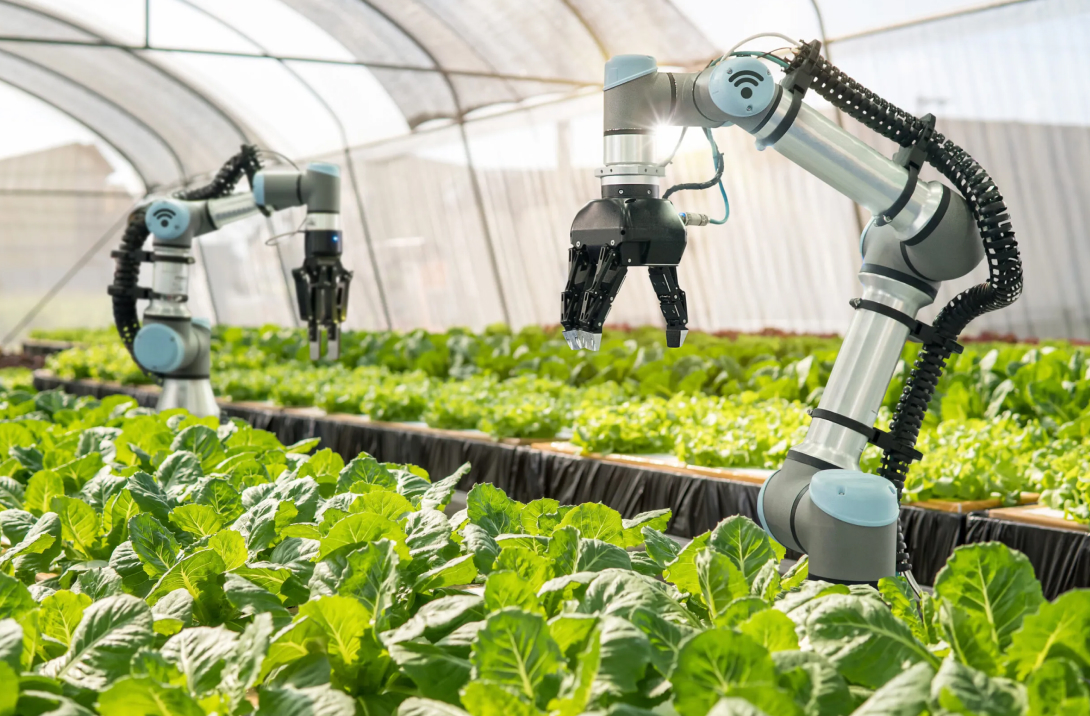
Agriculture plays a vital role globally, being the backbone of economies in both developed and developing countries. It is the backbone of the economy, which is the important income source of the rural communities and employs millions of workers. Artificial intelligence applies machine vision to identify possible soil deficiencies, understand the soil defects, and detect plant pests and diseases. Agricultural robots automate harvesting and replaces most labor-intensive farming.

The goal of precision farming is profitability, efficiency, and sustainability. It is summarized using the phrase, “Right Place, Right Time, Right Product.” Precision farming is used to create seasonal forecasting models to predict weather patterns and improve food production.

The agriculture and agri-food industry are fundamental to global food security, sustainability, and economic growth. Harmony is at the forefront of revolutionizing this sector with cutting-edge solutions and sustainable practices that address the industry’s most pressing challenges.

Precision Agriculture

Harmony’s precision agriculture techniques employ advanced technologies such as sensors, drones, and data analytics to monitor and manage crops more effectively. These tools provide farmers with real-time insights into crop health, soil conditions, and weather patterns, enabling them to make informed decisions that optimize resource use and boost yields. Precision agriculture not only enhances productivity but also minimizes the environmental footprint by ensuring that inputs like water, fertilizers, and pesticides are used efficiently.

Sustainable Practices

Sustainability is a cornerstone of Harmony’s philosophy. The company promotes farming practices that reduce environmental impact and enhance soil health. By implementing strategies that focus on waste reduction, water conservation, and biodiversity enhancement, Harmony helps farmers adopt long-term sustainable practices. These methods not only ensure the resilience of farming systems but also contribute to the overall health of ecosystems, promoting a balance between agricultural production and environmental stewardship.

Supply Chain Optimization

In the agri-food industry, a streamlined supply chain is essential for ensuring that products reach consumers efficiently and safely. Harmony’s expertise in logistics, traceability, and quality control helps optimize the supply chain from farm to table. By enhancing the traceability of products, Harmony ensures that every step of the supply chain is monitored and managed effectively, reducing losses and maintaining high standards of quality. This comprehensive approach ensures that consumers receive fresh, safe, and high-quality products while farmers and producers benefit from increased efficiency and profitability.

Smart Farming Technologies

Harmony integrates smart farming technologies to transform traditional farming practices. The use of IoT devices and AI-driven analytics provides farmers with data-driven insights that improve decision-making processes. These technologies enable precise monitoring and management of agricultural activities, from soil moisture levels to crop growth stages.

By leveraging these smart solutions, farmers can increase productivity, reduce costs, and improve overall farm management. Harmony’s smart farming technologies represent a significant advancement in the agricultural sector, driving innovation and enhancing the sustainability of farming operations.

Harmony’s comprehensive approach to the agriculture and agri-food industry combines advanced technology with sustainable practices to create a resilient and efficient agricultural system.

By focusing on precision agriculture, sustainable practices, supply chain optimization, and smart farming technologies, Harmony addresses the critical challenges faced by the industry today. Our commitment to innovation and sustainability not only benefits farmers and businesses but also contributes to a more sustainable future for global food production.

The power of digitalization in businesses

The Impact of Digital Transformation on Businesses

Digital transformation impacts businesses across various sectors, driving innovation, efficiency, and customer satisfaction. Here are key areas where digitalization is making a significant difference:

  • Customer Experience and Services:
    Digital platforms enhance customer interaction and satisfaction by offering new, innovative services.
    This not only improves the customer experience but also contributes to long-term revenue growth.
  • Opérationnel Efficiency:
    By optimizing business processes through digital tools, companies achieve greater productivity and efficiency.
    This keeps businesses competitive in rapidly changing markets.
    Automation and digitization of services streamline processes, making them more efficient and less costly.
  • Data Management and Risk Mitigation:
    Enhanced data collection and processing capabilities allow for better decision-making and risk management.
    Real-time visibility of risks and improved data management reduce errors and fraud, leading to more secure and efficient operations.

Key Technologies Driving Digital Transformation

Key technologies play a pivotal role in driving the digital transformation of businesses, each contributing uniquely to enhancing operational efficiency, customer experience, and data management.

  • Artificiel Intelligence in Finance:
    AI monitors performance and enhances customer and supplier account analysis, improving risk and fraud management.
  • Modern IT Infrastructure:
    Migrante to cloud-based solutions to overcome outdated systems and legacy technologies.
    Implement the right digital tools tailored to the organization’s digital maturity and needs.
  • System Integration and Automation:
    Redéfinie, rebuild, and replace technology to integrate old systems with new.
    Automate daily tasks for efficiency using tools like Workflow Builder in Slack.

Further enhancing the digital workplace, technologies such as Enterprise Platforms for data security, Digital Workplaces & Intranets for removing physical barriers, and Collaboration Spaces for fostering innovation are indispensable. The Internet of Things (IoT) begins with data to bring businesses closer to their customers, while a Culture of Digital Transformation significantly increases success chances.

Navigating the Challenges of Digital Transformation

Navigating the challenges of digital transformation involves a strategic approach to ensure smooth integration and adoption across the enterprise. Key strategies include:

  • Vision and Leadership:
    Defining Clear Vision and Objectives: Establish a roadmap by understanding the current digital maturity and identifying improvement areas with measurable goals.
    Obtaining Leadership Buy-In: Secure support from top management by presenting a compelling business case, highlighting benefits, and addressing concerns.
  • Execution and Governance:
    Implementing Governance: Create clear policies and processes, define roles, set tool usage guidelines, and establish communication protocols.
    Managing Change Resistance:Tackle employees’ concerns through adequate training and maintain open communication.
  • Measurement and Continuous Improvement:
    Mesurions Success: Utilize key performance indicators (KPIs) to track progress and adjust strategies accordingly.
    Addressing Skill Gaps and Security Concerns: Invest in training or hiring digital experts and implement robust cybersecurity measures to protect data.


Mastering Cybersecurity for staying Safe Online

The concepts of confidentiality, integrity, and availability are the foundation of cybersecurity, which has become essential to our digital age in order to protect our online actions and data. The goal of mastering cybersecurity is to assist students in recognizing dangers to their online safety, such as viruses, cyberattacks, and identity theft, and in implementing cybersecurity best practices to safeguard their online presence at home or at work. In order to improve cybersecurity and prevent cybercrime, important subjects covered include the threat landscape, authentication, networking, SIEM, antivirus, machine learning for cybersecurity, cloud security, and risk management frameworks.

Threat Landscape : 

The cyber threat landscape is rapidly evolving, with malicious actors constantly adapting their tactics to exploit new vulnerabilities and capitalize on current events. Here’s a list of typical cyberthreats:

  • Cyberterrorism : An assault on computers and information technology with the intention of causing harm and causing widespread disruption in society, is a threat motivated by politics.
  • Malware : This type of threat includes viruses, worms, spyware, and ransomware. It can corrupt the system, obstruct access to your computer’s resources, install malicious software, or secretly transfer data from your data storage.
  • Botnets : This particularly repulsive attack uses remotely controlled malware-infected machines to launch massive strikes. Imagine it as a network of computers controlled by a single, well-organized cybercriminal. Even worse, infected PCs are added to the botnet network.
  • Adware : is a type of malware that poses danger. It’s commonly referred to as software that runs advertisements. Unwanted internet adverts are automatically generated by the adware virus, which is a potentially unwanted program (PUP) that was installed without your consent.
  • SQL injection : uses Structured Query Language to introduce malicious code into a server that uses SQL.
  • Phishing : is the practice of hackers deceiving a target into opening a fraudulent email and following instructions that usually request personal information.
  • Man-in-the-middle (MITM) attacks: These types of attacks entail cybercriminals interfering with a two-person internet transaction. The hackers may sift and take wanted info once they’re inside. Unsecured public Wi-Fi networks are a common target for MITM attacks.
  • Denial of Service (DoS): attacks are cyberattacks that overload a computer or network by flooding it with excessive “handshake” activities. This prevents the system from responding to user requests.

Risk Management : 

We need to evaluate our attack surface and implement defensive strategies like multifactor authentication, frequent patching, antivirus software, and attack surface management tools in order to reduce these risks. Assessing and being up-to-date with different cyberthreats, such as malware, phishing, man-in-the-middle, DDoS, and SQL injection, is also crucial.

The NIST Chance Administration System (NIST RMF), ISO/IEC 27001:2013, and the NIST Network Safety System (NIST CSF) are a few key frameworks and standards for online protection risk assessment. IT risk necessitates a number of basic skills, including risk assessment, examination, single information storage, monitoring tools, flexible detailing, and executive systems gambling.

The best practices for network safety risk management for executives include assessing your IT environment and resources, identifying your strengths for a risk assessment, integrating risk assessments into culture and values, maintaining strict security measures, and maintaining consistent and dependable perceivability.

Cybersecurity Framework : 

Network safety systems give organized rules and best practices to assist associations with upgrading their security stance and meet administrative consistency prerequisites. A few broadly embraced structures incorporate the NIST Network protection System (CSF), ISO 27001 and ISO 27002 Principles, SOC2, NRC-CIP, HIPAA, GDPR, FISMA, CIS Basic Security Controls, COBIT, CSA Cloud Controls Lattice, HTRUST CSF, Katakri, PCI DSS, Secure Controls Structure, CMMC 2.0, Fundamental 8, and Digital Fundamentals.

In outline, network protection has become a fundamental piece of our day-to-day existence, and becoming capable in it calls for sharpness, adaptability, and a devotion to long-lasting learning. People and associations might reinforce their advanced guards and unhesitatingly explore the internet based world by complying with these rules.