
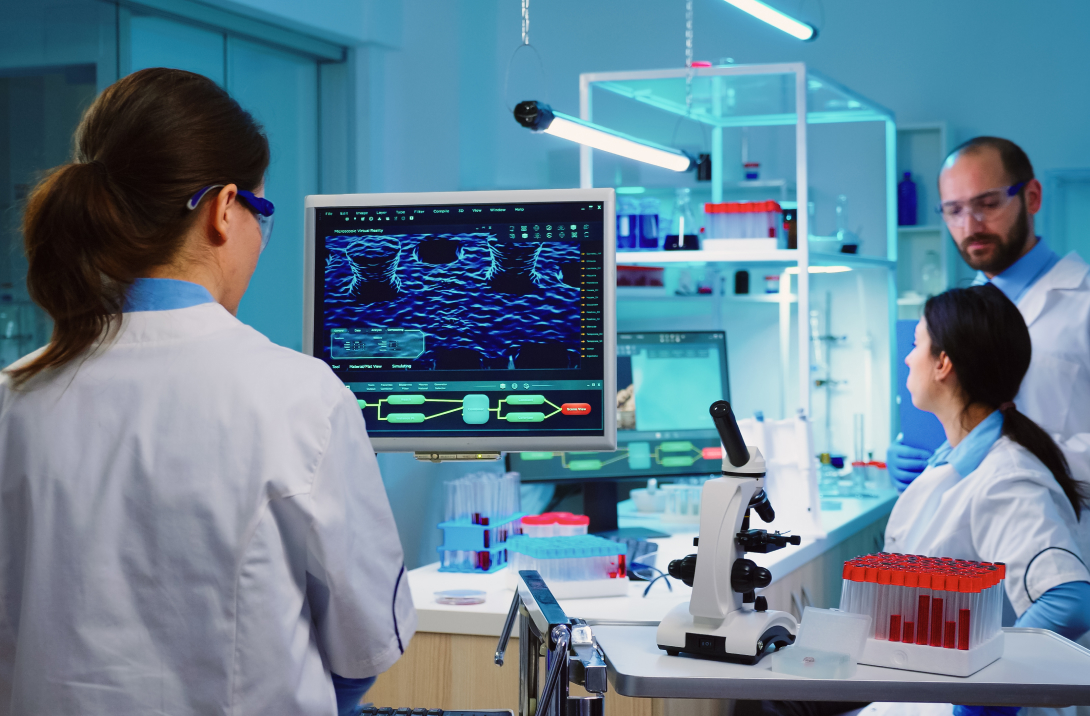
Innovating Healthcare: Ensuring Safety and Hygiene Excellence

In today’s rapidly evolving world, healthcare stands as a cornerstone of both individual and community well-being, significantly impacting lives globally. With advancements in medical technology and evolving healthcare standards, the importance of understanding and navigating the healthcare system cannot be understated. At Harmony Technology, we believe in empowering individuals with knowledge and tools for better health personal safety and improved overall healthcare management. Our approach hinges on the crucial pillars of hygiene infraction control and the adept maneuvering through the healthcare landscape, ensuring that every person has the information necessary to make informed health decisions. This crucial aspect not only fulfills patients’ expectations and needs but also enables effective resource management and a patient-centric approach tailored to individual preferences.

Hygiene Infraction Control

Maintaining high hygiene standards in healthcare facilities is crucial to prevent infections and ensure patient safety. Harmony provides comprehensive hygiene infraction control solutions that include real-time monitoring, automated alerts, and thorough reporting systems. These technologies help identify potential hygiene breaches promptly, enabling immediate corrective actions and minimizing the risk of infections.

Health Personnel Safety

The safety of healthcare personnel is paramount in delivering effective care. Harmony offers advanced safety solutions designed to protect health workers from occupational hazards. Our solutions include :

  • Personal Protective Equipment (PPE) : High-quality PPE to safeguard healthcare workers against infectious diseases.
  • Safety Protocols : Development and implementation of rigorous safety protocols to prevent workplace injuries and infections.
  • Training Programs : Comprehensive training programs to educate healthcare personnel on best practices for maintaining personal safety and handling hazardous materials.

Digital Health Solutions

Harmony leverages digital health technologies to improve patient care and operational efficiency in healthcare facilities. Our solutions include :

  • Electronic Health Records (EHR) : Secure and accessible EHR systems that streamline patient data management and enhance the accuracy of medical records.
  • Telemedicine Platforms : Advanced telemedicine solutions that enable remote consultations, reducing the need for in-person visits and increasing access to care.
  • Mobile Health Applications : User-friendly mobile apps that facilitate patient engagement, appointment scheduling, and remote monitoring.

Smart Asset Management

Efficient asset management is essential for the smooth operation of healthcare facilities. Harmony’s smart asset management solutions include :

  • Asset Tracking Tags : Use of RFID and BLE technology to monitor the location and status of medical equipment in real-time.
  • Inventory Management Systems : Automated inventory systems that ensure the availability of essential medical supplies and reduce wastage.
  • Maintenance Scheduling Tools : Tools that automate the scheduling of maintenance for medical equipment, ensuring they are always in optimal condition.


At Harmony Technology, we stand committed to empowering individuals and communities with the knowledge and tools necessary to navigate the healthcare system effectively. By prioritizing preventative care, maintaining comprehensive personal health records, and fostering effective communication with healthcare providers, individuals can confidently manage their health and safety, ensuring access to high-quality care tailored to their unique needs.
Improving knowledge management with digital solutions

The process of locating, classifying, preserving, and sharing information inside an organization is known as knowledge management (KM).

Uneasy access to knowledge inside an organization may be very expensive for a company since it takes up valuable time that should be spent on outcome-focused tasks instead of looking for pertinent information.

By using the organization’s pooled knowledge, a knowledge management system (KMS) improves operational efficiency. A knowledge base is used to support these systems. They often play a key role in the success of knowledge management by offering a centralized location for information storage and easy access.

Electronic Archiving System

An electronic archiving system (EAS) is designed to store, manage, and retrieve electronic documents and records. This system ensures the preservation and accessibility of valuable information over long periods, which is essential for compliance, legal, and operational purposes.

Features of EAS:

  • Digital Preservation: Ensures the longevity of electronic records through proper storage and maintenance.
  • Security: Provides robust security measures to protect sensitive information from unauthorized access and breaches.
  • Searchability: Allows quick and efficient retrieval of documents through advanced search functionalities.
  • Compliance: Helps organizations comply with regulatory requirements regarding document retention and disposal.

Benefits of EAS:

  • Cost Reduction: Reduces physical storage costs and minimizes the risk of document loss or damage.
  • Efficiency: Streamlines document retrieval processes, saving time and improving productivity.
  • Environmental Impact: Supports sustainability efforts by reducing the need for paper-based records.

Electronic Document Management System

An electronic document management system (EDMS) focuses on the creation, storage, retrieval, and management of electronic documents. EDMS facilitates the organization and control of document workflows, ensuring that the right information is available to the right people at the right time.

Features of EDMS:

  • Document Capture: Converts paper documents into electronic formats through scanning and optical character recognition (OCR).
  • Version Control: Manages document versions to ensure that users access the most current and accurate information.
  • Collaboration: Enables multiple users to work on documents simultaneously, promoting teamwork and knowledge sharing.
  • Audit Trails: Tracks document access and modifications to ensure accountability and transparency.

Benefits of EDMS:

  • Improved Accessibility: Provides instant access to documents from anywhere, supporting remote work and mobility.
  • Enhanced Collaboration: Facilitates real-time collaboration and communication among team members.
  • Streamlined Workflows: Automates document-related processes, reducing manual effort and errors.
  • Regulatory Compliance: Assists in meeting legal and regulatory requirements through organized and controlled document management.

Integrating EAS and EDMS in Knowledge Management

Combining EAS and EDMS within a comprehensive KM strategy allows organizations to leverage their full potential. By integrating these systems, organizations can create a unified platform that supports the entire lifecycle of knowledge—from creation and storage to retrieval and dissemination.

  • Unified Information Repository: A centralized repository that stores all electronic documents and records, making it easier to manage and access information.
  • Improved Knowledge Sharing: Facilitates the sharing of knowledge across the organization, enhancing decision-making and innovation.
  • Enhanced Data Security: Implements robust security measures to protect sensitive information and ensure data integrity.
  • Operational Efficiency: Streamlines workflows and reduces redundancies, leading to increased productivity and reduced operational costs.


Knowledge management (KM) is the systematic process of capturing, distributing, and effectively using knowledge within an organization. In the digital age, the implementation of advanced technologies such as electronic archiving systems and electronic document management systems plays a crucial role in the efficiency and effectiveness of KM. Harmony Technology is committed to integrating these systems to enhance knowledge management practices, driving innovation and ensuring efficient access to valuable information.

Medical Technology’s contribution to the advancement of healthcare

The healthcare industry is continually advancing with the integration of cutting-edge medical technologies. These advancements aim to enhance the efficiency, safety, and quality of patient care. Medical technologies are products, services or solutions used to save and improve people’s lives. It contributes to sustainable healthcare. Through innovative devices and diagnostics, the industry delivers value to patients, healthcare professionals, and healthcare systems and society.

Predictive Maintenance

Predictive maintenance involves monitoring the health of medical equipment in real-time using advanced analytics and IoT technologies. It is used to predict potential failures, schedule timely maintenance, reduce downtime, and minimize repair costs, ensuring critical devices are always operational.

Asset Management

Asset management uses RFID and BLE technologies to track the location and status of medical equipment. It provides real-time visibility into asset utilization, streamlines inventory management, and reduces the risk of asset loss or misplacement.

Hospital Staff Distress and Safety Systems

These systems protect hospital staff from occupational hazards and ensure swift response in emergencies. They include:

  • Personal Alarm Systems: Wearable devices for distress signaling.
  • Real-Time Location Systems (RTLS): Track staff locations for safety and quick assistance.
  • Automated Safety Protocols: Integrated safety protocols in hospital IT systems for compliance and rapid action.

Intelligent Management of Medical Waste

Intelligent waste management solutions ensure safe and hygienic disposal of medical waste. They include:

  • Smart Waste Segregation: Automated sorting of medical waste at disposal points.
  • Waste Tracking: Real-time tracking from generation to disposal to reduce contamination risks.
  • Data Analytics: Optimize waste management processes and reduce environmental impact.

Diagnostics & Imaging

Advanced diagnostics and imaging technologies enhance the accuracy and speed of medical diagnoses. These include:

  • Digital Imaging: High-resolution imaging systems for precise diagnostics.
  • AI Integration: AI algorithms analyze imaging results and detect anomalies quickly.

Medical Devices

Innovative medical devices improve patient care and treatment outcomes. Examples include:

  • Advanced Monitoring Devices: Continuous monitoring of patient vitals.
  • Smart Surgical Instruments: Precision tools for minimally invasive surgeries.

Wearable Technology

Wearable technology provides continuous health monitoring and patient data collection. This includes:

  • Health Trackers: Devices that monitor heart rate, activity levels, and other health metrics.
  • Remote Monitoring Devices: Wearables that allow doctors to monitor patients’ health remotely.

Telehealth Solutions

Telehealth solutions offer remote medical consultations and care. They include:

  • Telemedicine Platforms: Online systems for remote doctor-patient consultations.
  • Mobile Health Apps: Applications that facilitate remote diagnosis, treatment, and follow-up care.


Harmony is committed to driving innovation in the healthcare sector with advanced medical technology solutions. Embracing modern technologies improves operational efficiency, enhances patient outcomes, and maintains high standards of safety and hygiene. Transforming healthcare processes through advanced medical technologies leads to excellence in medical care and management.

Digital Transformation in Moroccan Public Administration

In Morocco, public administration is undergoing significant transformation as the government embraces digitalization to improve efficiency, transparency, and service delivery. The need for modernization is driven by the growing demand for accessible and efficient public services. Harmony is at the forefront of this evolution, providing innovative solutions that streamline administrative processes and enhance asset management. Our focus is on creating a more responsive and effective public administration system that meets the needs of citizens and government employees alike.

Administration Portal

Harmony centralizes access to a range of online services by providing all-inclusive administration portal solutions. For both citizens and staff, these portals offer an intuitive user interface that facilitates effective service delivery and simplified communication.

Online Administration Services

Our online administration services allow citizens to access vital services at any time and from any location by facilitating the digitization of public services. Our services streamline public interactions with government organizations, from tax payments to permission applications.

Administration Digitalization

Modernizing public administration requires a focus on digitization. By assisting government organizations in switching from paper-based to digital systems, Harmony increases productivity and lowers overhead. Electronic records management, workflow automation, and document management are some of the digitalization services we offer.

Asset Tracking Tags

Asset management that works is essential for public administration. Real-time asset location and status tracking is made possible by Harmony’s asset tracking tags, which combine RFID and BLE technologies. This lowers the possibility of asset loss and guarantees precise inventory management.

Asset Lifecycle Management

In order to maintain infrastructure and maximize resource allocation, public asset lifecycle management is crucial. Administrators may manage assets from purchase to disposal with the support of extensive tracking and reporting capabilities offered by Harmony’s asset lifecycle management solutions.

Inventory Tracking System

Real-time visibility into the location and status of inventory items is provided by Harmony’s inventory tracking system. This approach guarantees that resources are accessible when needed, lowers losses, and improves responsibility.

Smart Archive

Our intelligent archive systems guarantee the safe and effective preservation of digital documents. Harmony’s smart archive services provide simple storage, search, and retrieval of critical documents by using sophisticated indexing and retrieval technologies. This enhances operational efficiency and supports compliance.


Harmony is committed to using modern digital technologies to revolutionize public administration. We assist government organizations in ensuring transparency, increasing operational efficiency, and improving service delivery by embracing new technology.